

The box on my front porch was heavier than I expected. As I began to open it, I immediately noticed every detail of the packaging was carefully considered—perforated, easy to separate, tape and all. After a few bits of assembly, I plugged this foreign object into power. Then, the Syng Cell Alpha speaker produced a couple of audible sounds, indicating it was ready for something. Those few, brief pulsing sounds were the moment I knew I was about to be blown away by what this unique orb was housing inside its clear exterior.
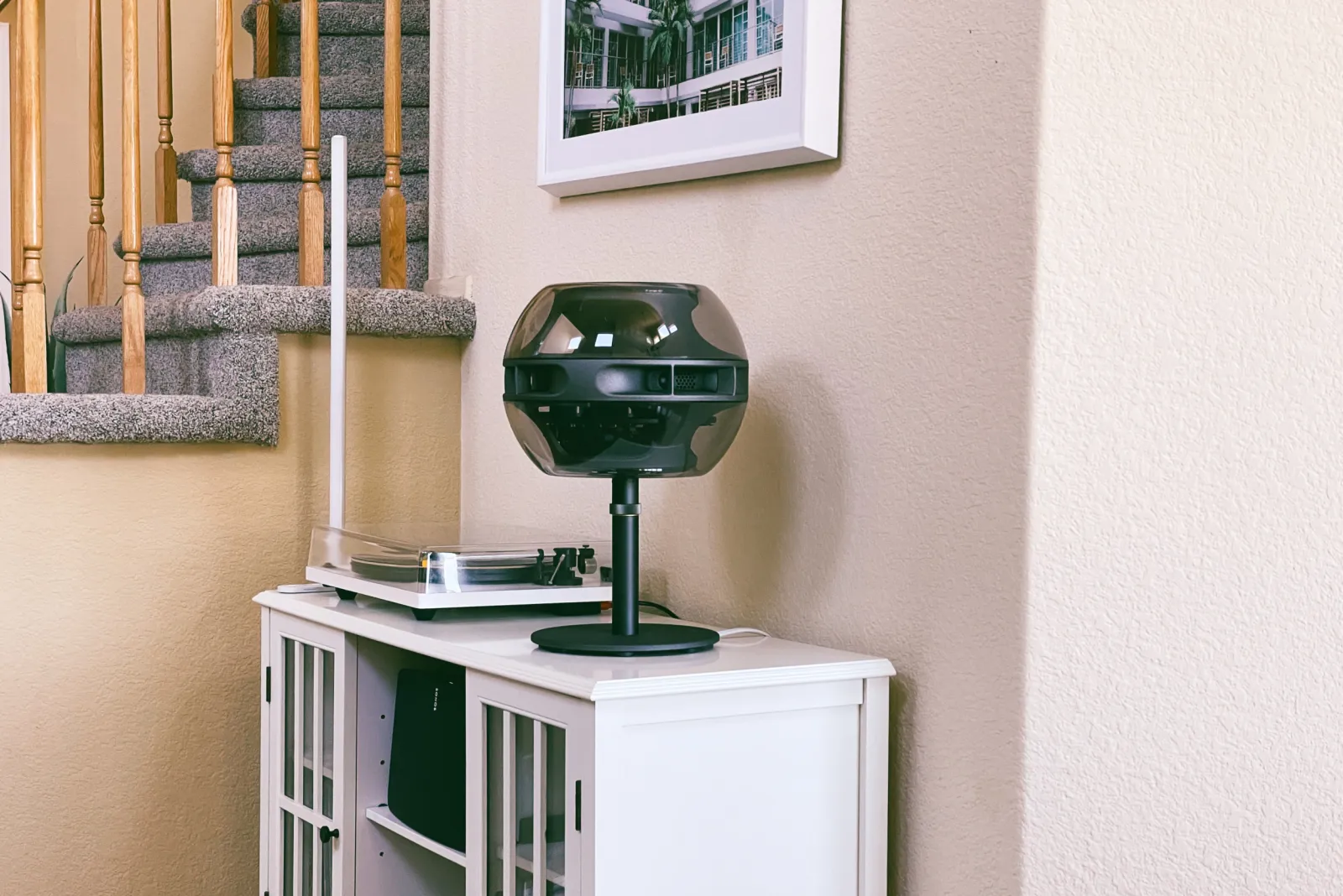
Over the last eight years, I've had the opportunity to listen to audio on possibly hundreds of different products—from earbuds and headphones to all kinds of speakers. Some are much better than others, but I've never texted friends and told them they should come over to listen to a speaker. I did just that this time.
Why is Syng Cell Alpha So Special?
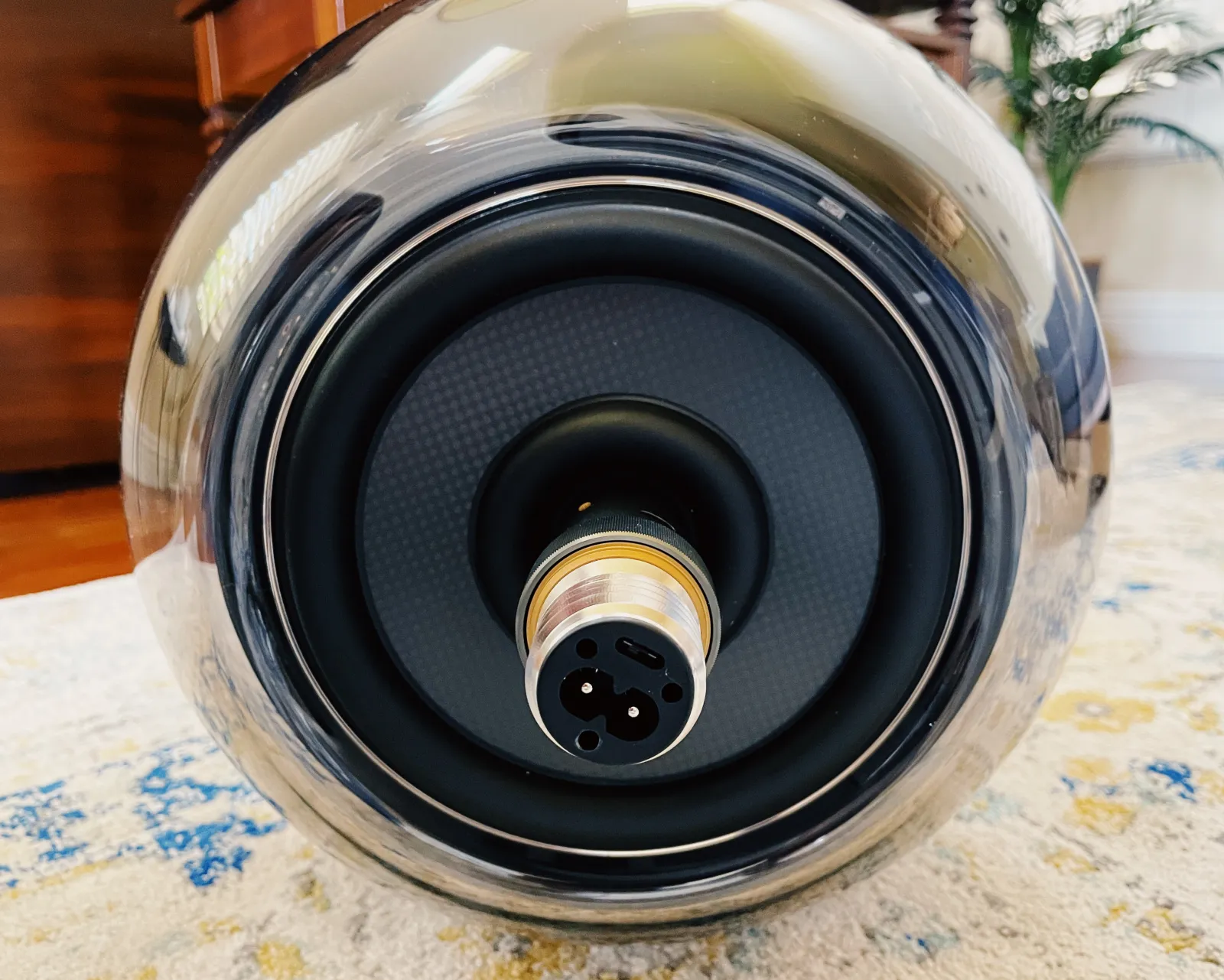
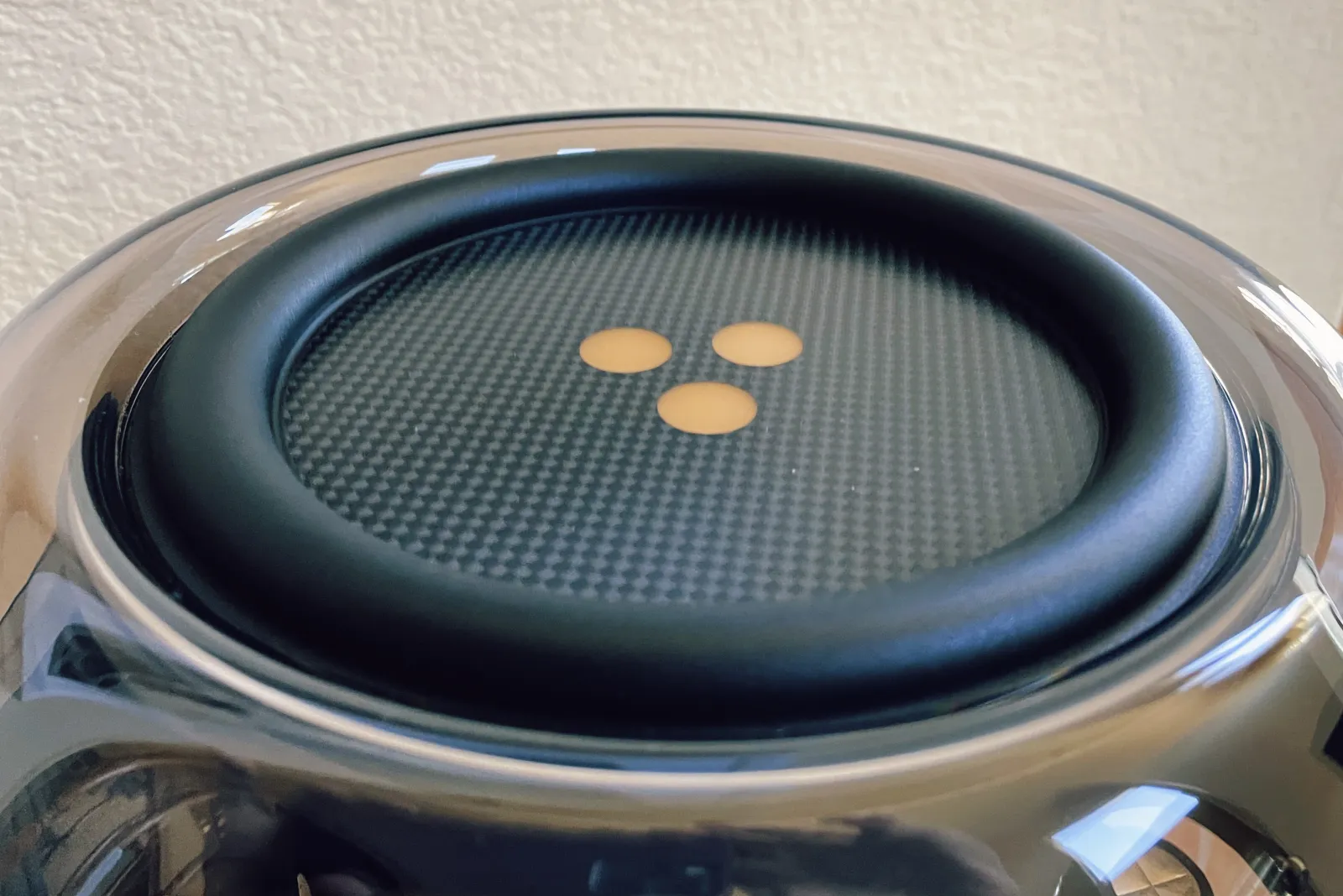
Syng says the Cell Alpha speaker is the world's first triphonic speaker. That term encompasses software and hardware advancements, but practically speaking it means the speaker is firing audio in three directions around its sphere shape. It has forced-balanced subwoofers on the top and bottom that produce low frequencies you can feel, not just hear. The goal here, according to the company, is to blur the lines between artist and listener and transform the human relationship with sound.
Spoiler alert: It's safe to start flying the "Mission accomplished!" banner here. I was hearing instruments like never before. Specifically, the instruments' materials like the drum's wood were more obvious than ever before. Instead of just hearing the drums, the sound was vivid enough to conjure up visual images of how the drums were configured in the recording space and maybe even the type of wood it was made out of. Previously, only the best-trained ears might be able to glean this level of detail, whereas the Cell Alpha opened the window into the recording room bigger than ever before. I did feel closer to the artist listening on the speaker. It didn't take long before I was hearing which songs were poorly mixed and which had professionals behind the boards.
This technology and brilliant sound don't come cheap, though. The elephant in the room is that the Syng Cell Alpha is expensive. The price starts at $1,799—possibly as much or more than a lot of people's monthly housing payment. Is it worth it? That will depend on how much you value music and sound.
Syng Cell Alpha Performance
Listening to songs through $400 and up headphones produces stellar results. But they also benefit from not having to account for a room's environment. Here, Syng's microphones and its audio software overcome whatever challenges they're placed in to produce clear sound, close to what headphones can, even in huge rooms.
I couldn't scroll through songs in my library fast enough. At every turn was a new track, and I needed to hear how it sounded on this speaker. I wanted the chance to sink into recent releases and old favorites alike.
The problem with a speaker with the power to highlight fine details is that bad source material still sounds bad and sticks out more than it might on other speakers. Poorly recorded or mixed songs are as listenable on the Cell Alpha as they would be anywhere else, but the best recorded and mixed songs benefit the most from its brilliance.
While music with heavy bass or contrasting high and low frequencies sounded the best, the Cell Alpha played all genres with equal care. Pop, R&B, orchestral and acoustic songs typically showcased dynamic range and instrumentation. But rock and metal with their heavy guitars, distortion and busy mid-range frequencies still sounded fantastic, too. I went through hundreds of tracks of all kinds to confirm no genre was slighted. Beyond music, I also listened to podcasts and audiobooks. Any audio accessible on an iPhone can be sent to the speaker.
For now, the app does what it needs to do, but there's no way for things like listener-controlled equalization. That's something that could come in the future, but my experience has been good enough that I don't see an immediate need for that particular feature.
What about audiophiles and advanced listeners? Wouldn't they benefit from exposed sliders to tweak the sound to their preference? Maybe. The Cell Alpha resides in middle ground, where it's more geared toward consumers than audiophiles—but carries a jaw-dropping, audiophile-level price. AirPlay and Spotify Connect are the two main, wireless, ways to listen to music right now on the speaker. Wi-Fi is better for transmitting audio than Bluetooth, but it has its limitations, including the fact that Spotify hasn't yet released its Hi-Fi streaming tier.
Still, listening to audio in 256 kilobits per second or higher will sound great to most people. There are two USB-C ports on the speaker's down rod, one always accessible and one inside the hollow pole connecting it to the base. You can use this wired connection for lossless audio if that's your goal.
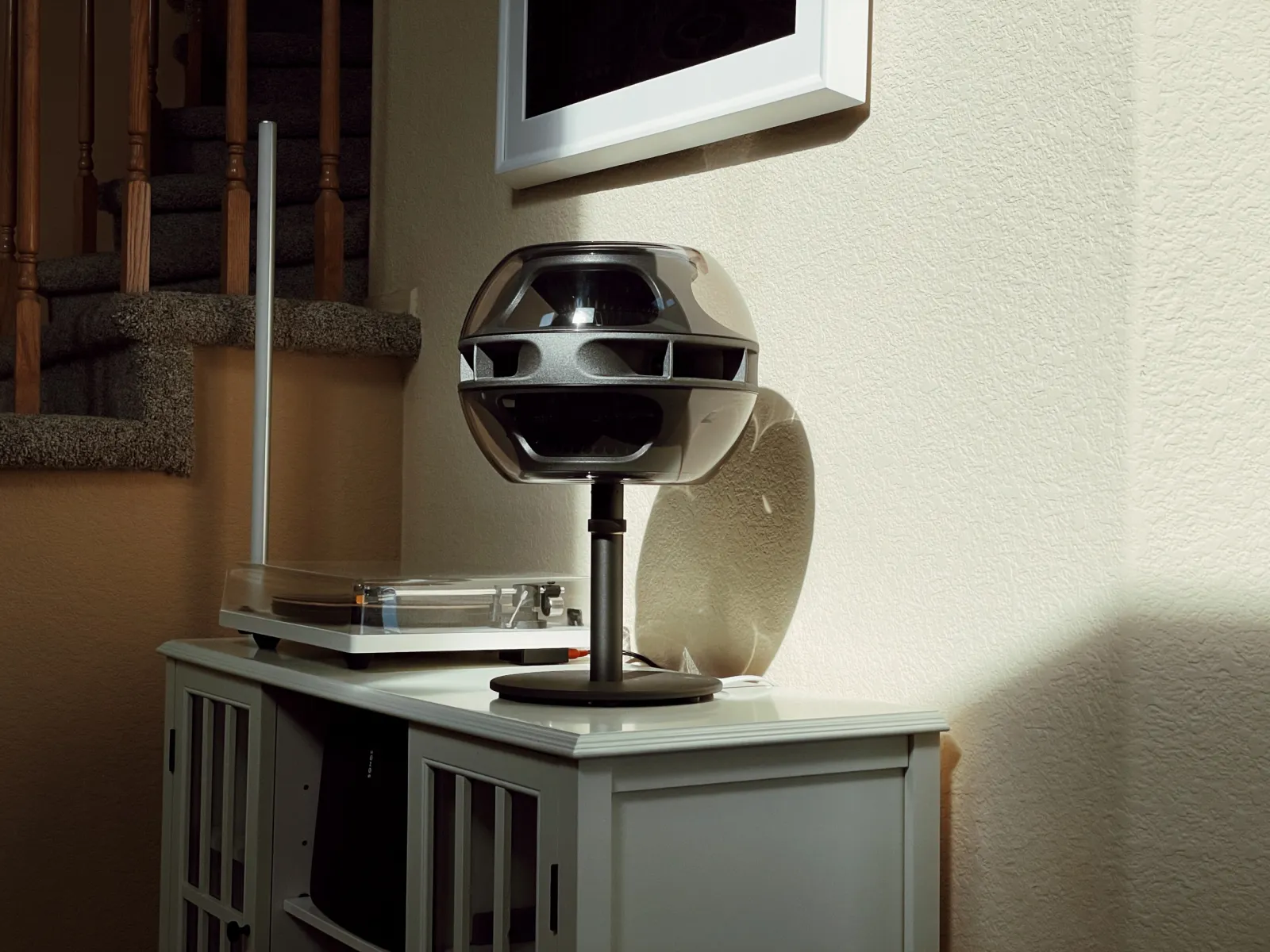
The port on the speaker should also help with future expansion, so it can be used in versatile roles, beyond just a living room speaker. Even if it's possible, though, I'm not sure you'll want to haul it around. It's heavy and dense. The physical design is bold and has the potential to turn some people off, but overall I found it pleasant. Strictly, in terms of looks, the Cell Alpha could have been painted pink and plastered with gemstones and I wouldn't have minded because its sound reigns supreme and should overcome any distaste for the modern aesthetic.
Should You Buy the Syng Cell Alpha Speaker?
On its website, Syng co-founder and CEO, Christopher Stringer said, "We created Syng so anyone can experience the power of audio." I hope that becomes the case eventually, but at the moment, the price is just too prohibitive for the Cell Alpha to be available to just anyone—and certainly not everyone.
This is the perfect speaker for enthusiasts and prosumers. Anyone with a budget for audio gear will be thrilled with the results it produces. There's no way around it—it's an incredible product. Unfortunately, because of the price, not everyone who loves music will get a chance to live in Syng's audio-drenched world quite yet.
Tyler Hayes